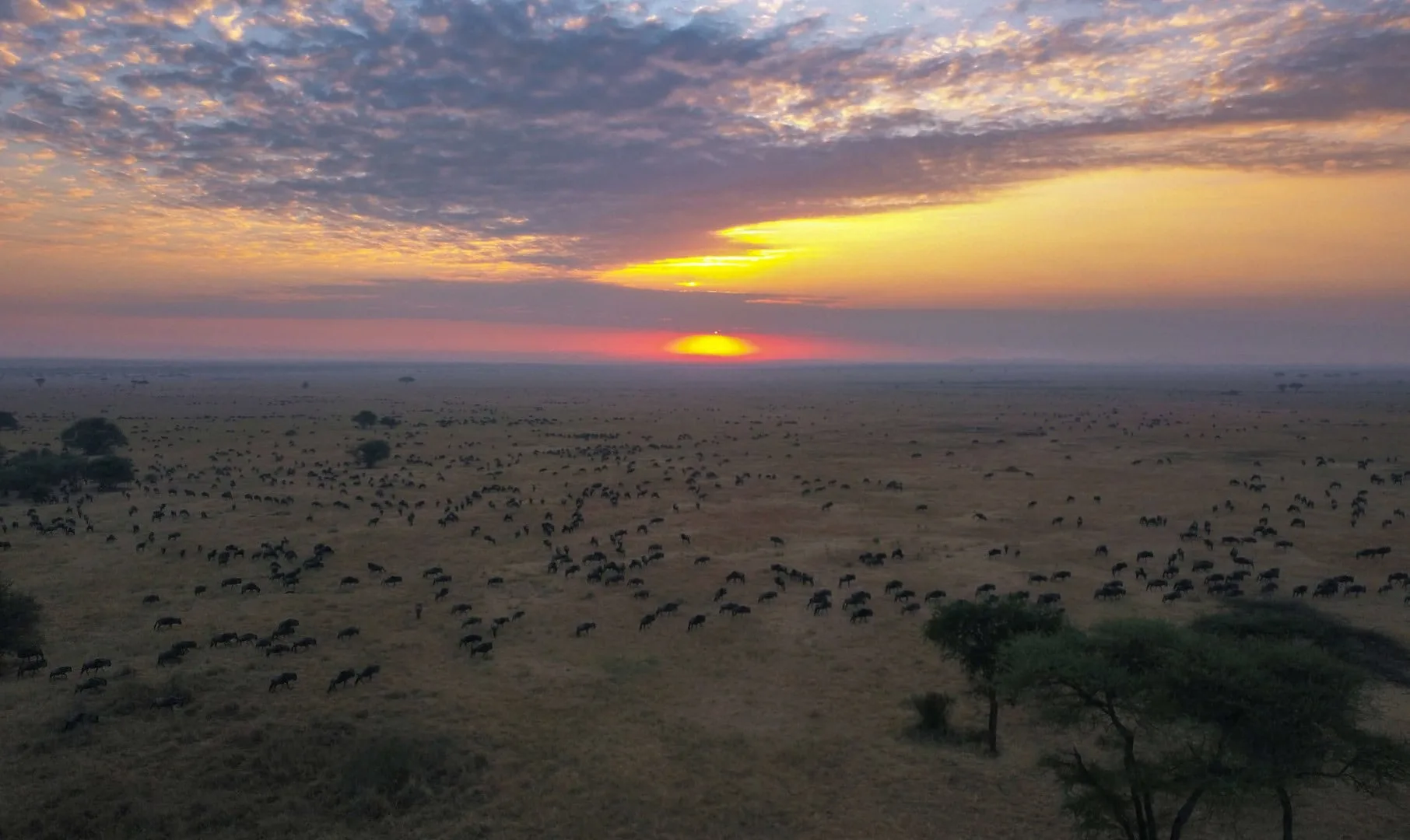
Discerning travellers increasingly combine three to four nights in a private Serengeti fly-camp with five to seven nights at an exclusive Zanzibar beach villa, creating the definitive East African bush-and-beach itinerary. Private charter flights connect the two in under two hours, eliminating any overland transfers. In the Serengeti, luxury operators offer intimate camps limited to six to ten tents, with private guide vehicles, bush breakfasts beneath acacia trees, and champagne sundowners overlooking the migration herds. The experience is deliberately designed to complement the relaxation of island life rather than compete with it — think languid game drives rather than dawn-to-dusk schedules. For honeymooners and celebration travellers, the Serengeti-to-Zanzibar route has become one of Africa's most coveted luxury itineraries.
A Serengeti safari adds a thrilling wildlife chapter to your Zanzibar luxury holiday.
Discover the wild heart of Serengeti
Explore Tours →Best Time to Visit
December-March for Zanzibar warmth combined with Serengeti calving season. July-October for peak migration viewing followed by Zanzibar's dry, sunny weather.
What You'll See
Witness the Great Migration from your private vehicle, alongside resident prides of Serengeti lions, elusive leopards, and cheetah hunting on the short-grass plains.
Getting There
Private or scheduled charter flights from Zanzibar to Serengeti airstrips (approximately 2 hours). Your luxury concierge arranges seamless door-to-door transfers.
Find Serengeti
Let our Zanzibar specialists plan the perfect itinerary to Serengeti. Every experience is tailored, every operator is verified.
Where to Go in Serengeti
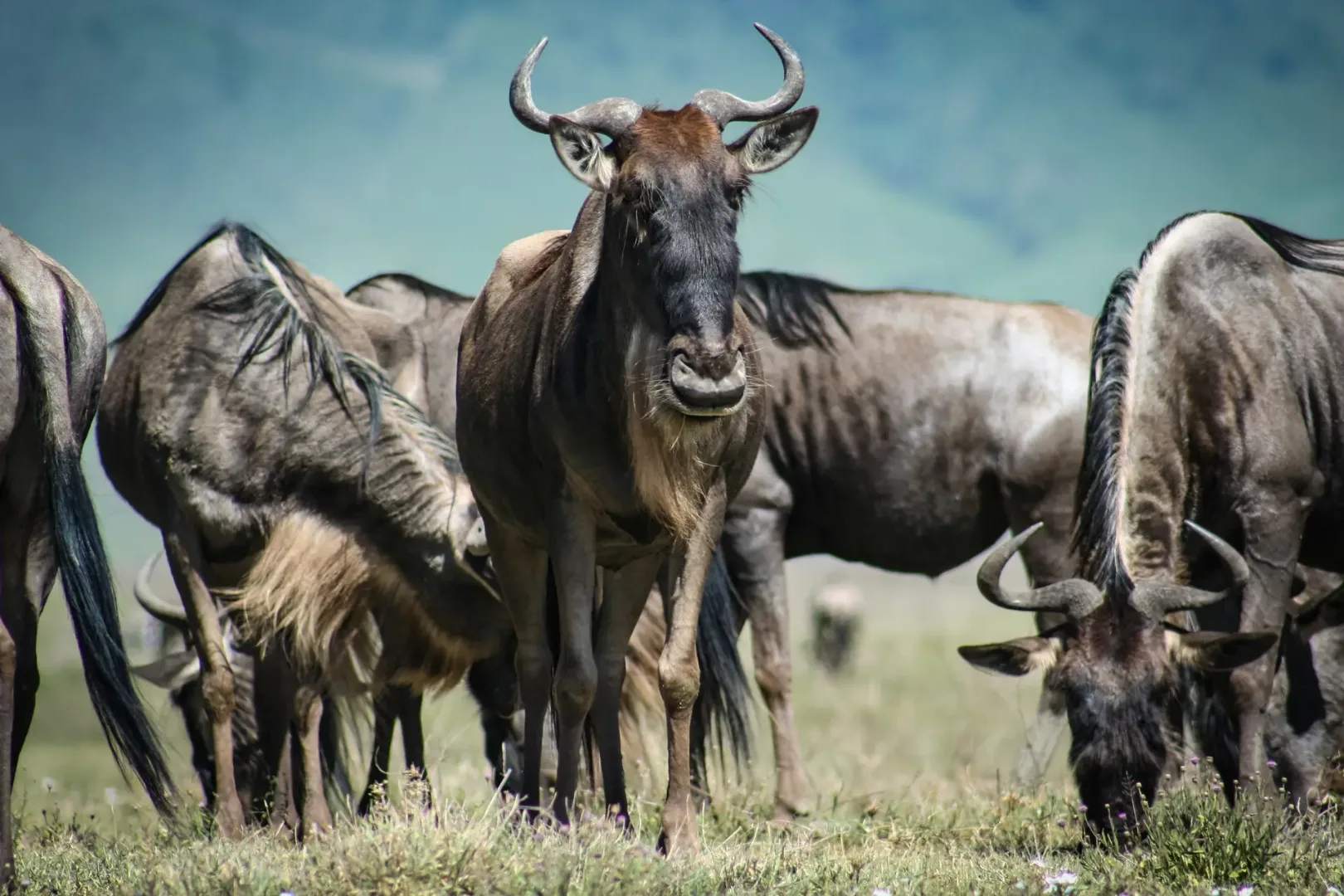
Southern Serengeti & Ndutu Plains
8,000 wildebeest born daily in February — the Great Migration's dramatic calving season on the open plains.
The southern Serengeti short-grass plains and adjacent Ndutu area in the Ngorongoro Conservation Area form the calving grounds where approximately 8,000 wildebeest are born daily during a 2-3 week peak in February. The alkaline Lake Ndutu and Lake Masek attract flamingos and waterfowl. Predator density peaks here during calving — cheetah, lion, and hyena follow the herds onto the open plains.
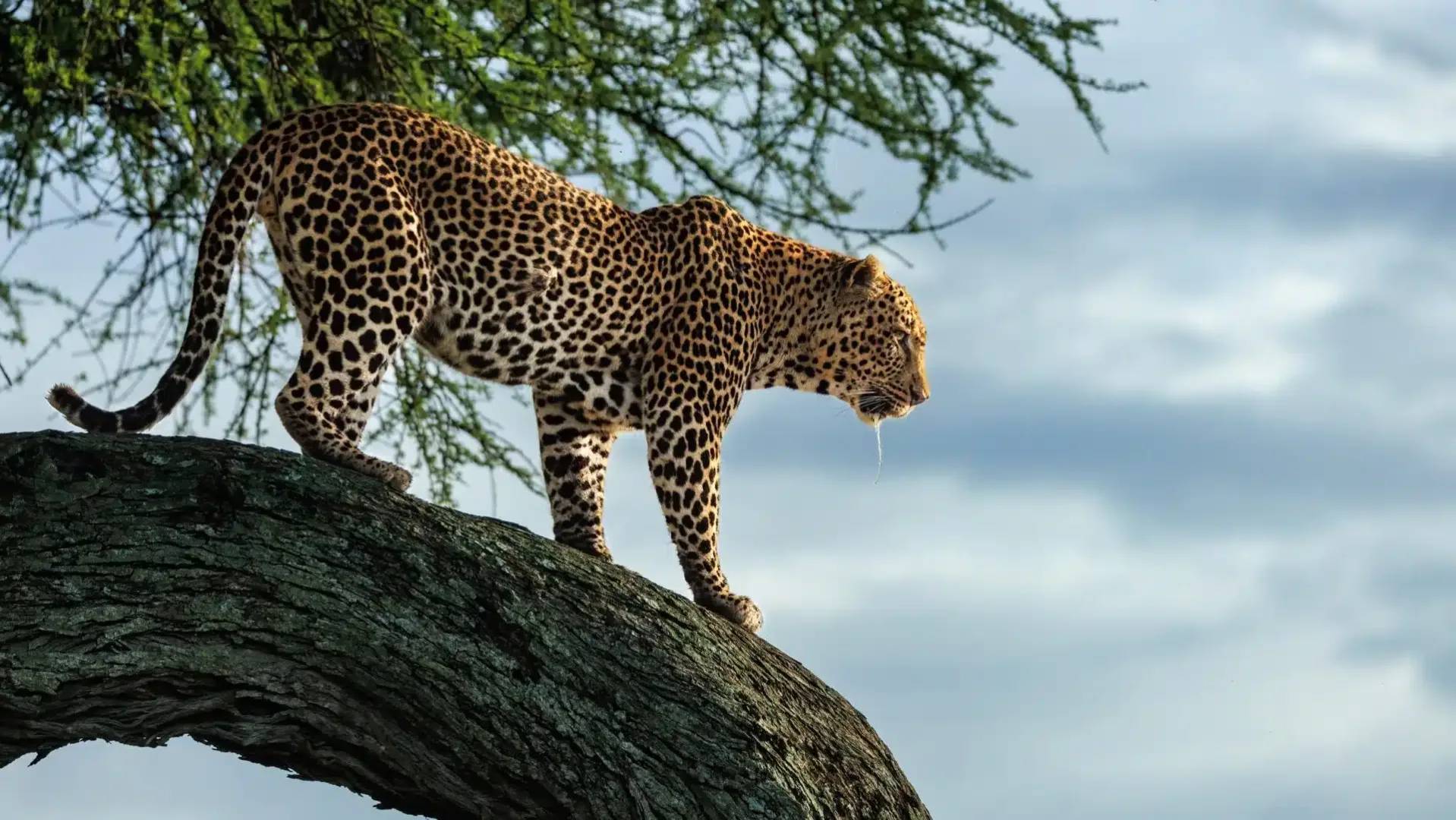
Central Serengeti & Seronera Valley
Year-round Big Five viewing at the Seronera Valley — leopards in riverine forest and lions on the iconic kopjes.
The Seronera Valley in the central Serengeti is the park's year-round game-viewing epicentre, where the Seronera River and its tributary kopje-studded valleys support resident populations of lion, leopard, elephant, and buffalo. The iconic Simba Kopjes — granite rock outcrops — are favoured by lions as vantage points. Seronera is also the park's administrative hub with the Serengeti Visitor Centre.
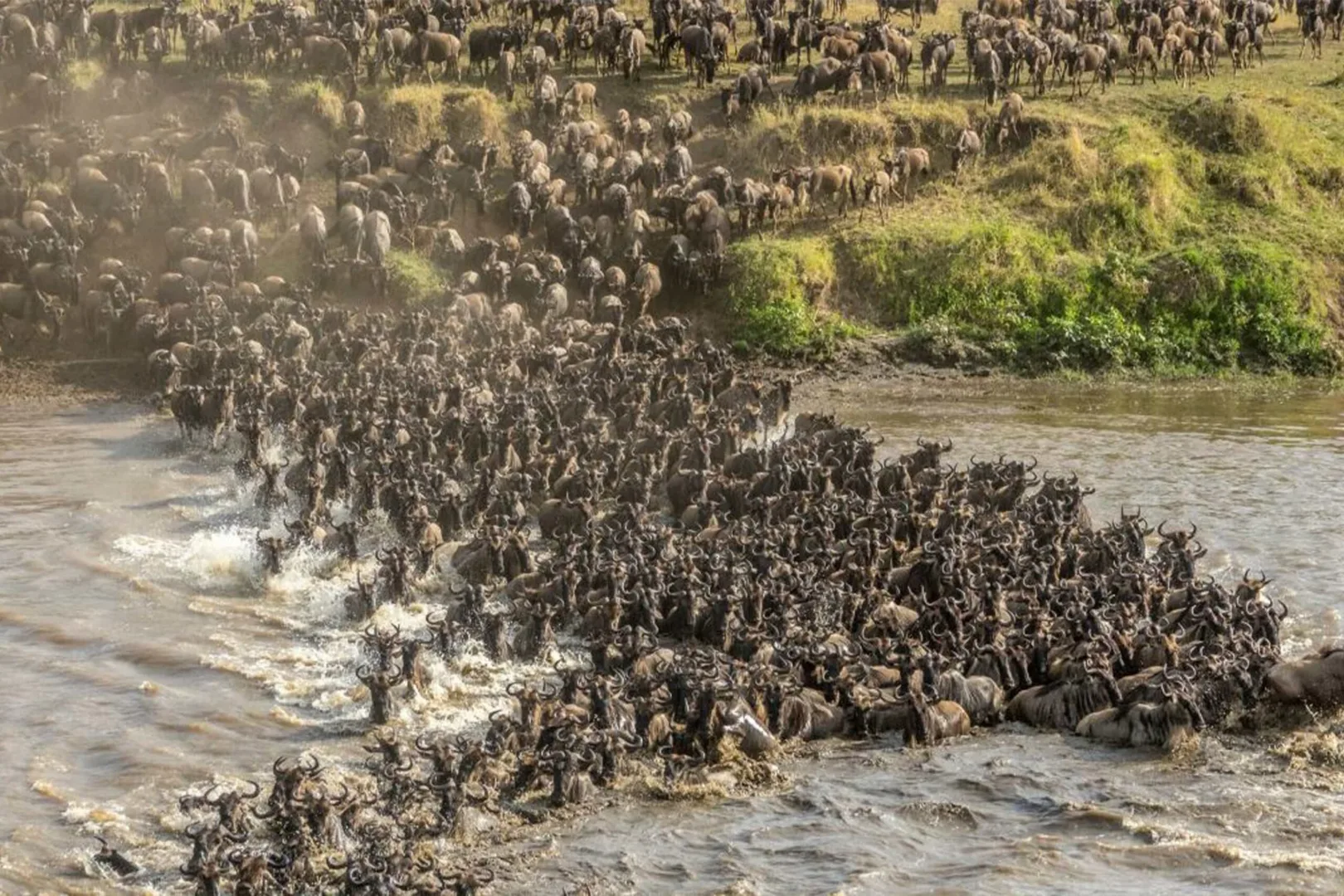
Western Corridor
Dramatic Grumeti River crossings from May to July with far fewer vehicles than the famous northern sector.
The Western Corridor stretches from the central Serengeti towards Lake Victoria, narrowing into a distinctive funnel of woodland, grassland, and the winding channels of the Grumeti River. This region comes alive from May to July when the migration herds push westward, crossing the crocodile-infested Grumeti River in dramatic fashion before continuing their northward journey. The Grumeti crossings are smaller and less publicised than the Mara River spectacles, but they offer an equally thrilling experience with far fewer vehicles and visitors. The Grumeti Reserves — private concessions flanking the national park — provide exclusive access to the migration corridor with walking safaris, night drives, and off-road driving that are not permitted within the national park itself. The riverine woodland supports large numbers of black-and-white colobus monkeys, while the grasslands harbour topi, eland, and kongoni. The Western Corridor's relative remoteness means that even during peak migration months, game drives here feel wonderfully uncrowded compared to Seronera or the northern sector.
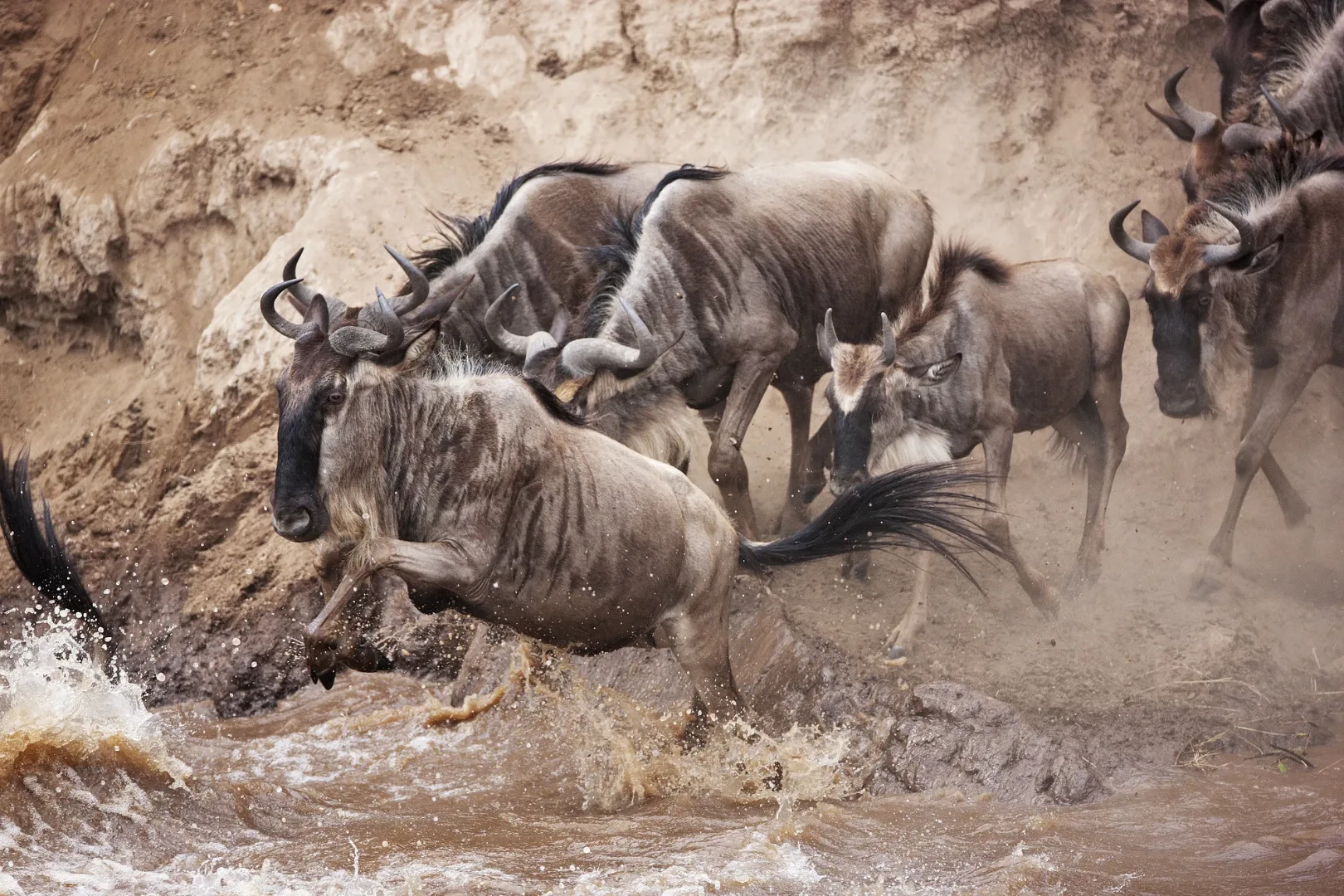
Northern Serengeti & Kogatende
The Mara River's most dramatic crossings — massive crocodiles, million-strong herds, and the fewest visitors.
The northern Serengeti around Kogatende and the Mara River hosts the migration's most spectacular river crossings from July to November. The Mara River runs through narrow gorges here, creating perilous crossing points where crocodiles up to 5 metres long await the herds. This remote sector sees far fewer visitors than the central Serengeti, with several fly-camps and luxury tented lodges along the river.
Western Corridor & Grumeti
Singita's 140,000-hectare private concession — the migration's first river crossings at the Grumeti.
The western corridor stretches from Seronera to Lake Victoria and includes the Grumeti River system, where the migration passes through in May and June. The Grumeti Reserves (managed by Singita) encompass 140,000 hectares of private concession with exclusive access. The Grumeti River's resident Nile crocodile population — some individuals exceeding 5 metres — creates intense crossing drama here before the main Mara River events.
Serengeti Tours & Excursions
Safari Blue Full Day
1 Days / 0 Nights
$95 per person
Sunset Dhow Cruise
1 Days / 0 Nights
$65 per person
Mnemba Atoll Snorkeling
1 Days / 0 Nights
$90 per person
Spice Plantation Tour
1 Days / 0 Nights
$45 per person
Nakupenda Sandbank Trip
1 Days / 0 Nights
$75 per person
Full Island Tour
1 Days / 0 Nights
$150 per person
Other Tanzania Destinations
Serengeti National Park
Home to the only championship golf course inside a major national park — Par 72, 7,065m, wildlife on every hole
Read Guide →Stone Town
UNESCO World Heritage Site — Swahili architecture, spice markets & rooftop dining
Read Guide →Nungwi
Zanzibar's sunset coast — tide-free swimming, dhow builders & vibrant nightlife
Read Guide →Ngorongoro Conservation Area
World's largest volcanic caldera — all Big Five in a single morning, 25,000 resident animals
Read Guide →Ready to Explore Serengeti?
Browse our curated tours — every experience is operated by a verified local specialist and secured through Inspiration Africa.
Find Your Perfect Experience